Chalko: A Handwritten Font with Authentic Classroom Charm
There's something genuinely appealing about a typeface that feels handmade. In a digital world saturated with crisp vectors and perfect geometry, a font like Chalko offers a welcome dose of personality. This isn't just another script font; it's a dedicated chalk-style typeface designed to evoke the familiar, tactile quality of writing on a classroom board. For designers, marketers, and creators, understanding a font's core personality is the first step to using it effectively.
The Visual Personality of Chalko
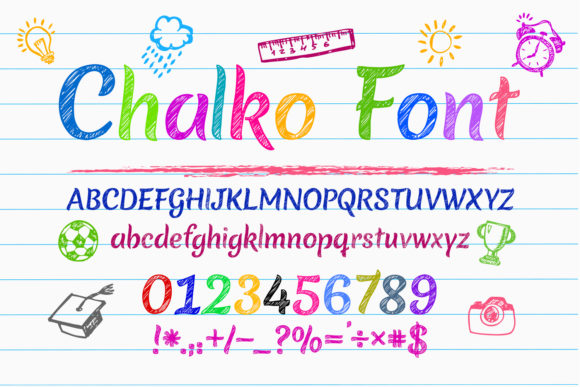
Chalko is a premium font in the handwritten category, but its style is highly specific. Its characters mimic the uneven pressure, slight grit, and organic flow of actual chalk. You'll notice subtle variations in stroke weight and a textured appearance that digital fonts often lack. This gives it a warm, approachable, and slightly nostalgic feel. It’s not trying to be elegant or formal; its strength lies in its casual, authentic, and educational vibe. Think of it as the typographic equivalent of a friendly teacher's handwriting or a cozy café's daily special board.
This personality makes it a standout creative font for projects that need to feel personal, handcrafted, or connected to learning and creativity. It bypasses the sometimes sterile feel of a standard sans serif font or the formality of a serif font, offering a direct line to human expression.
Where Chalko Truly Shines: Practical Applications
The utility of a display font like Chalko is defined by its context. It's not for body text, but it excels in grabbing attention and setting a specific tone. Its applications span both physical and digital realms, making it a versatile design asset.
Branding and Marketing with a Human Touch
For logo design, Chalko can be perfect for brands that want to appear friendly, educational, or artisanal. Imagine a tutoring service, a children's book author, a craft brewery with a chalkboard menu aesthetic, or a local bakery. It instantly communicates a hands-on, community-oriented brand identity. In packaging design, it works beautifully for products like gourmet snacks, educational toys, or specialty stationery, adding a layer of homemade charm.
Digital Presence and Content Creation
Online, Chalko is a powerhouse for social media graphics. Its textured look pops on Instagram stories, YouTube thumbnails, and Pinterest pins, especially for content related to education, DIY projects, parenting, or creative tutorials. For web design, it's best used sparingly—think hero section headlines, call-to-action buttons, or featured quote callouts—where its character can enhance without overwhelming the reader. Bloggers and content creators can use it for standout headers that break the monotony of standard web typography.
Editorial and Print Projects
In editorial design, Chalko brings life to magazine features on back-to-school topics, recipe layouts, or craft guides. For print materials like posters, flyers, and invitations for school events, workshops, or community gatherings, it provides an instant thematic connection. It’s the go-to choice for any project where the content itself is about learning, making, or sharing in a casual setting.
Making Chalko Work for You: A Practical Guide
Choosing the right typeface is a strategic decision. Here’s how to evaluate and implement Chalko effectively.
Evaluating Fit and Readability
First, assess the project's voice. Does it need to feel scholarly yet approachable? Creative and hands-on? If the answer leans toward corporate, ultra-modern, or highly technical, Chalko might not be the right fit. Its textured nature means readability is best at larger sizes. Use it for headlines, subheadings, and short bursts of text, not for paragraphs. Always test it at the intended size and on the intended medium (screen or print) to ensure clarity.
Mastering Font Pairing
A strong font pairing creates balance. Chalko's expressive style works best when grounded by a clean, neutral companion. For a harmonious look, pair it with a simple, geometric sans serif font for body text or supporting information. For example, Chalko for a main headline paired with a font like Montserrat or Open Sans for descriptions creates a clear hierarchy where the handwritten element draws the eye without causing visual chaos. Avoid pairing it with other highly decorative or script fonts, which can lead to a cluttered, unprofessional look.
Understanding Styles and Licensing
Explore the full family. Does Chalko come with multiple weights, alternates, or stylistic sets? These features can add versatility and help you avoid repetitive letter shapes in longer words. Crucially, verify the commercial font licensing. Ensure the license covers your intended use—whether for a client's logo, merchandise for sale, or a published digital product. Using a premium font with a clear license is a mark of professionalism and protects you legally.
Ultimately, Chalko is more than just a collection of glyphs. It's a tool for injecting specific emotion and context into a design. When used thoughtfully, it can transform a generic layout into something memorable and engaging, bridging the gap between digital precision and the irreplaceable warmth of a human hand. Its value lies in its specificity, making it an essential typeface in any designer's toolkit for projects that demand a genuine, chalk-dusted personality.