Crayon Box: A Sweet Handwritten Font for Every Design
The Visual Personality of Crayon Box
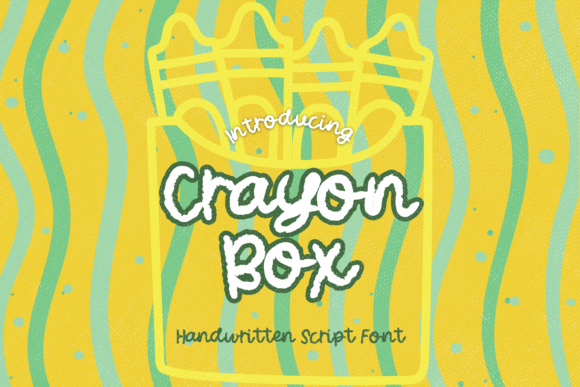
Crayon Box is a sweet and friendly handwritten font that feels immediately approachable. Its strokes mimic the natural flow of pen on paper, with just enough irregularity to feel authentic without sacrificing clarity. The letterforms have a gentle bounce and a soft, rounded quality that gives text a warm, personal touch. It’s the kind of typeface that feels like it was written just for the reader, making it an excellent choice for projects aiming to build a direct, human connection.
Unlike some script fonts that can lean too formal or cursive, Crayon Box strikes a balance. It’s legible at common sizes, yet its character shines through in headlines and short bursts of text. The overall appeal lies in its versatility—it doesn’t scream for attention but rather invites the viewer in. This makes it a valuable design asset for creators who want to add personality without overwhelming their core message.
Where Crayon Box Truly Shines: Practical Applications
This handwritten font finds its home across a surprising range of projects. For brand identity, it’s perfect for businesses that want to project warmth and approachability. Think of a local bakery’s logo design, a boutique’s product tags, or a consultant’s website header. It tells a story of care and individuality, helping small brands stand out in a crowded market. When used in packaging design, Crayon Box can transform a simple label into something that feels handcrafted and special.
In the digital realm, its friendly nature boosts engagement. Social media graphics using Crayon Box for quotes, announcements, or calls-to-action feel more personal and less corporate. For web design, it works beautifully in hero sections, testimonial blocks, or for highlighting key features, provided it’s paired with a highly readable sans serif font for body text. Bloggers and content creators can use it to add a signature feel to their headers or featured images, making their content instantly recognizable.
For print and editorial design, consider it for magazine pull quotes, book chapter titles, or invitation suites. Its legibility on physical media is solid, though testing at the final print size is always wise. Crafters and hobbyists will find it ideal for DIY projects, from custom stationery to scrapbooking. The key is to use it where its charm can enhance, not hinder, the overall design function.
Choosing and Using Crayon Box Effectively
As with any premium font, selecting Crayon Box should be a deliberate choice. Start by evaluating your project’s tone. Does it call for a friendly, informal, and engaging voice? If the goal is to convey cutting-edge technology or rigid professionalism, a clean sans serif font might be better. But if you’re aiming for relatability, creativity, or a personal touch, Crayon Box is a strong contender.
One of the most critical steps is font pairing. A creative font like Crayon Box needs a stable partner. Pair it with a simple, geometric sans serif for body copy to ensure readability. For example, using Crayon Box for a headline and a font like Open Sans or Lato for paragraphs creates a clear visual hierarchy. The handwritten style draws the eye, while the neutral font delivers the detailed information comfortably. Avoid pairing it with other decorative or script fonts, as this often leads to visual chaos.
Always review the included styles and glyphs. A good commercial font will often include alternates, ligatures, or multiple weights. These extras allow for more nuanced typographic expression, helping you avoid repetition and tailor the font to specific contexts. Test the font in your actual design environment—view it on different screens, print a sample, and check how it interacts with your color palette and imagery.
The Strategic Value for Your Brand
Consistency is the bedrock of strong brand perception. By integrating Crayon Box as part of a defined typographic system, you can reinforce your brand’s personality across every touchpoint. From your website and emails to your packaging and social media graphics, using the same handwritten font builds recognition. Customers begin to associate that friendly, personal style with your business, which can foster loyalty and trust.
However, professionalism doesn’t vanish with a friendly font. It’s all about context and execution. Using Crayon Box thoughtfully—perhaps only for key headlines or accents—demonstrates design savvy. It shows you understand how to balance personality with clarity, a hallmark of effective modern typography. For entrepreneurs and small business owners, this strategic use of a creative font can make a brand feel more established and intentional, even on a lean budget.
Ultimately, the only limit with a font like Crayon Box is your imagination. Its strength lies in its ability to adapt to your creative vision, whether you’re designing a heartfelt wedding invitation, a vibrant children’s brand, or a cozy café menu. By understanding its personality, testing its applications, and pairing it wisely, you can leverage this typeface to create designs that are not only beautiful but also deeply connected to your audience.