Homogenic: A Handwritten Font for Elegant, Charming Designs
When you’re searching for a creative font that feels both personal and polished, Homogenic stands out immediately. It’s a handwritten font that carries an air of effortless sophistication, making it perfect for projects where you want to add a human touch without sacrificing elegance. Whether you’re designing a wedding invitation, crafting a brand logo, or creating social media graphics, Homogenic delivers a balance of charm and professionalism that’s hard to find.
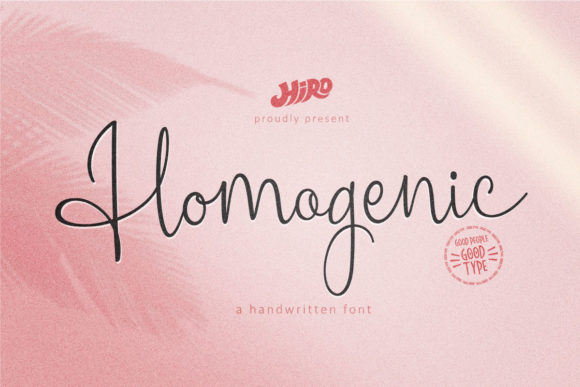
What makes Homogenic so appealing is its visual personality. The letterforms have a smooth, flowing quality with a varying baseline that mimics natural handwriting. Each glyph feels carefully crafted, with gorgeous alternates and swashes that add flair and customization. This isn’t a rigid, repetitive script—it’s a typeface with character. The lines are clean yet organic, making it legible even at smaller sizes while still feeling intimate and inviting. As a premium font, it offers versatility that many script fonts lack, blending artistic expression with practical design needs.
Where Homogenic Truly Shines
Homogenic isn’t just another decorative typeface. It’s a display font built for real-world applications. Think about wedding stationery—invitations, programs, and thank you cards. Homogenic adds a handwritten elegance that feels personal yet refined. For entrepreneurs and small business owners, it’s ideal for logo design, business cards, and packaging that needs to stand out on a shelf or in a digital storefront. The font’s charm translates beautifully to greeting cards, quotes, and editorial layouts where a touch of authenticity matters.
For digital projects, Homogenic works well in web design headers, blog graphics, and social media graphics. It catches the eye without overwhelming the viewer. In packaging design, it can convey artisanal quality or boutique appeal. Even in brand identity systems, when used sparingly for headlines or accents, it can humanize a brand and create emotional connection. It’s the kind of design asset that designers and creators reach for when they want to elevate a project with minimal effort.
Practical Guidance for Using Homogenic
Choosing the right font for a project goes beyond aesthetics. With Homogenic, consider the context. For print materials like wedding invitations or thank you cards, its elegant style enhances formality while keeping things approachable. In editorial design, use it for pull quotes or chapter titles to add visual interest. For logo design, test it in both uppercase and lowercase settings to see which best fits the brand’s voice.
One of Homogenic’s strengths is its compatibility with other typefaces. Pair it with a clean sans serif font for body text to maintain readability, or with a simple serif font for a classic, layered look. Experiment with font pairings early in your design process. Because Homogenic is PUA encoded, you have full access to all glyphs and swashes, allowing for extensive customization. Use these alternates to avoid repetition in longer texts or to highlight specific letters in logos and headlines.
Readability is always key. While Homogenic is legible for short to medium text blocks, avoid using it for lengthy paragraphs. Its handwritten nature is best suited for display purposes—headlines, titles, or accent text. Test it at different sizes to ensure clarity, especially in digital formats where screen resolution can vary. For commercial projects, verify the licensing terms. Homogenic is a commercial font, so ensure it’s cleared for your intended use, whether for client work, merchandise, or digital products.
Real-World Applications and Design Observations
Imagine a boutique bakery using Homogenic for its packaging. The font’s gentle curves and elegant swashes could convey handmade quality and attention to detail. On a wedding invitation, it sets a romantic, personal tone. For a blogger, using Homogenic in Pinterest graphics or Instagram quotes can increase engagement by making content feel more relatable and visually appealing. In modern typography, mixing a handwritten font like Homogenic with minimalist elements creates contrast and visual hierarchy.
From a brand strategy perspective, Homogenic can influence perception. It suggests creativity, care, and authenticity. For small businesses, it can differentiate a brand from competitors using generic fonts. However, consistency is crucial. Use Homogenic across all touchpoints—website, social media, print materials—to build recognition. Its versatility allows it to adapt to various contexts while maintaining a cohesive look.
When evaluating Homogenic for your next project, consider the mood you want to evoke. It’s charming and elegant, but also modern and approachable. It’s not overly formal or casual—it sits in a sweet spot that works for a wide range of audiences. Test it in mockups before finalizing. See how it interacts with your color palette, imagery, and other design elements. A great font like Homogenic should enhance your message, not distract from it.
Ultimately, Homogenic is more than just a creative font—it’s a tool for adding warmth and sophistication to your designs. Whether you’re a designer, marketer, or hobbyist, it offers a blend of beauty and functionality that can elevate your work. With its smooth lines, stunning alternates, and practical PUA encoding, it’s a valuable addition to any font library. Use it thoughtfully, pair it wisely, and let it bring that handwritten charm to your next project.