Calligraphy Script: Crafting Timeless Elegance in Modern Design
There’s a certain magic in handwritten type that digital precision often struggles to replicate. Calligraphy Script captures that magic, offering a bridge between the fluid artistry of hand-lettering and the versatility required for contemporary projects. It’s more than just a script font; it’s a design asset that injects personality, warmth, and a distinct sense of craftsmanship into any visual composition. For designers, entrepreneurs, and creators seeking to elevate their work beyond the ordinary, understanding how to wield this typeface effectively is key.
The Anatomy of Flow: Visual Character and Personality
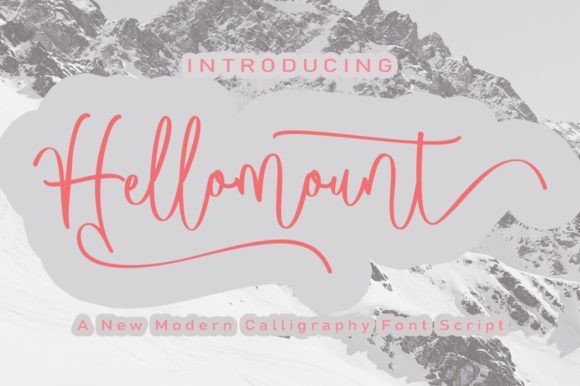
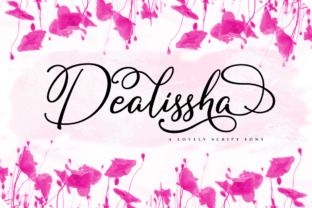
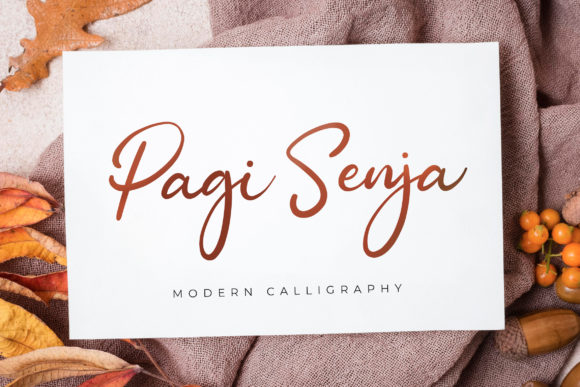
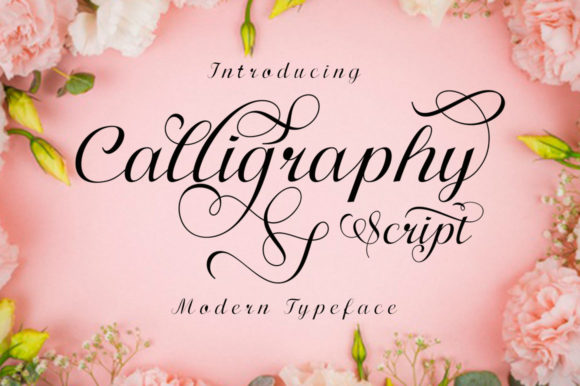
At its core, Calligraphy Script is an elegant, flowing handwritten font. Its defining features are immediately apparent: a varying baseline that mimics the natural rhythm of a pen on paper, smooth, confident strokes, and gorgeous glyphs that feel both intentional and organic. The font maintains a classy calligraphic influence, nodding to traditional penmanship, yet its overall feel is contemporary and fresh. This balance is crucial—it avoids looking archaic or overly formal, making it suitable for modern contexts where authenticity and approachability are valued.
The stunning alternates are where this font truly shines. Because it is PUA encoded, every glyph and swash is easily accessible without requiring advanced software knowledge. This means you can customize letter connections, add flourishes to capitals, or select alternate endings to create truly unique typographic compositions. This level of control allows the font to adapt to different moods, from romantic and luxurious to playful and artistic. It’s a premium font in the truest sense, offering depth and flexibility that generic script fonts lack.
Where It Belongs: Strategic Applications Across Mediums
Choosing the right typeface is about context. Calligraphy Script excels in applications where personality and emotional connection are paramount. It’s not a workhorse body font; it’s a display font designed to capture attention and set a tone.
- Brand Identity & Logo Design: For brands in the wedding industry, boutique hospitality, artisanal goods, beauty, or personal coaching, this font can form the cornerstone of a brand identity. It communicates elegance, care, and a personal touch. Use it for a primary logo mark or as a complementary script in a brand system.
- Editorial & Packaging Design: In editorial design, it shines for magazine headlines, pull quotes, or feature story titles. For packaging design, particularly on labels for cosmetics, gourmet foods, or luxury products, it adds a handcrafted, high-end feel that stands out on shelf.
- Digital & Web Design: Used judiciously in web design, it can enhance hero sections, call-to-action buttons, or special announcement banners. It’s perfect for creating impactful social media graphics—think Instagram quotes, Pinterest pins, or Facebook cover images where a personal, shareable aesthetic is desired.
- Print & Personal Projects: Its utility extends to wedding invitations, greeting cards, event programs, and personal stationery. For crafters and hobbyists, it’s a versatile creative font for DIY projects, scrapbooking, and creating custom wall art.
The Influence on Perception and Readability
A font like Calligraphy Script doesn’t just decorate; it communicates. Its visual properties directly influence how an audience perceives a message. The flowing, connected letters can evoke feelings of sophistication, intimacy, and creativity. This can positively impact brand perception, making a business feel more personal and less corporate. When used consistently, it aids in building brand recognition—the unique letterforms become a visual signature.
However, this influence comes with a critical caveat: readability. Script fonts, especially those with elaborate swashes, are not designed for long-form text. Their strength is in headlines, short phrases, and logos. Using Calligraphy Script for a paragraph of body copy would severely hinder legibility and frustrate the reader. The key is to pair it wisely. A classic approach is to combine it with a clean, highly readable sans serif font or a sturdy serif font for body text. This creates a clear visual hierarchy, where the script font attracts the eye and the secondary font delivers the detailed information comfortably.
Practical Guidance for Implementation
Integrating a script font like this into your toolkit requires thoughtful consideration. Here’s how to approach it practically:
- Evaluate Project Fit: Ask: Does the project’s tone align with elegance, artistry, or personal connection? Is the primary use for short, impactful text? If you’re designing a legal document or a technical manual, this is not the right choice. If you’re creating a logo for a florist or a header for a lifestyle blog, it’s a strong candidate.
- Test Font Pairings: Never use a display font in isolation. Download the font and experiment with pairings. Try it with a geometric sans serif font like Montserrat or a transitional serif font like Georgia. The contrast should be harmonious, not jarring. The script should be the star, and its partner should support it without competing.
- Explore the Included Styles: Before purchasing or using, check what’s included. A quality commercial font often comes with multiple weights, alternates, and stylistic sets. With Calligraphy Script, being PUA encoded is a major advantage, but ensure you understand how to access those extra glyphs in your specific design software (like Adobe Illustrator, Photoshop, or Canva).
- Consider Licensing: For any project that will be used commercially—whether for a client’s logo, product packaging, or a monetized website—confirm the font’s licensing terms. A legitimate premium font license ensures you have the legal right to use it in your final deliverables, protecting both you and your client.
- Test Across Contexts: View the font at the actual size it will be used. A swash that looks beautiful at 72pt might become an unreadable blob at 18pt on a mobile screen. Print a sample if the project is for physical media. This real-world testing is non-negotiable for professional results.
In the vast landscape of modern typography, Calligraphy Script offers a specialized tool. It’s not for every job, but for the right project, it provides an unmatched level of personality and refinement. By understanding its visual strengths, respecting its limitations regarding readability, and applying it with strategic intent, you can leverage this font to create designs that feel both timeless and genuinely human. It’s an invitation to fall in love with the details and bring your creative projects to their highest level of expression.