Jaishey: A Handwritten Font for Modern Branding
Understanding the Jaishey Typeface
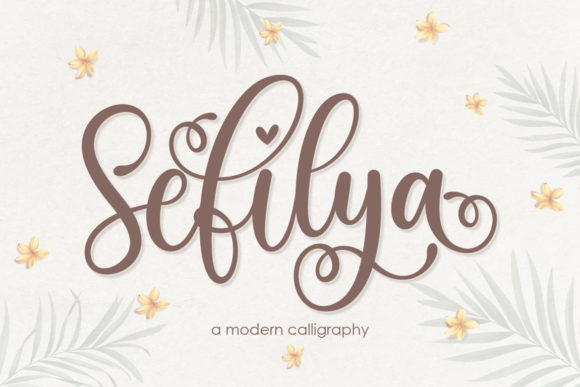
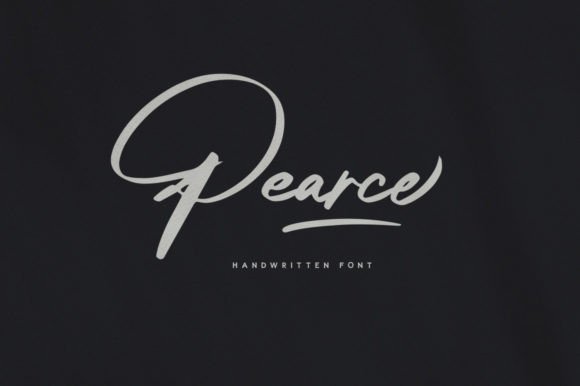
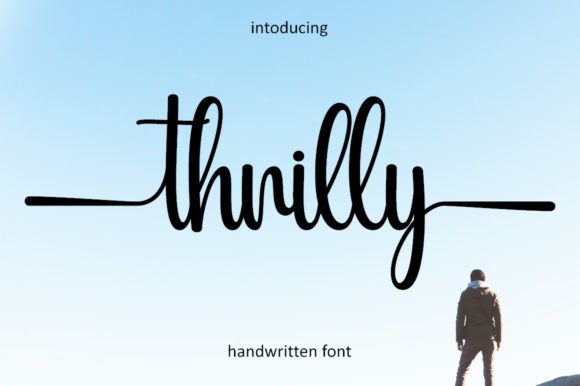
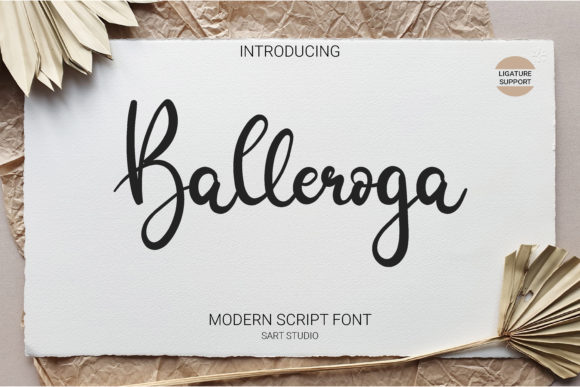
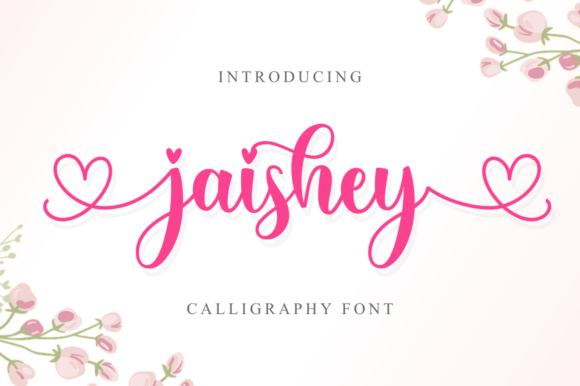
Jaishey is an elegant and flowing handwritten font designed to bring a personal, sophisticated touch to digital and print projects. It's a premium font that stands out in the crowded market of script fonts due to its careful balance of classic calligraphic influence and contemporary naturalism. Unlike many display fonts that can feel overly stylized or difficult to read, Jaishey maintains a clean, approachable aesthetic. Its defining features are a varying baseline, smooth, confident lines, and a set of gorgeous glyphs and swashes. This isn't just a single style; it's a versatile typeface with stunning alternates that allow you to customize the look of text for a unique result. For designers and creators, this means having a creative font asset that feels both artistic and highly functional.
The personality of Jaishey is one of relaxed elegance. It conveys a sense of thoughtfulness, creativity, and authenticity. When you use it, the text doesn't just sit on the page; it flows with a rhythm that feels human-made. This makes it an excellent choice for projects where you want to establish a warm, genuine connection with your audience. It’s the kind of font that can make a simple invitation feel special, a brand name feel more approachable, or a social media quote feel more personal and shareable. The overall appeal lies in its ability to be both beautiful and usable, a combination that is often sought after but hard to find in a single design asset.
Practical Applications Across Creative Projects
Knowing where a font like Jaishey excels is key to using it effectively. Its strength lies in applications where a human touch is desired, but professionalism cannot be sacrificed. For logo design, Jaishey can create a memorable and distinctive brand identity for businesses in the lifestyle, beauty, wedding, artisan food, or boutique consulting sectors. It works particularly well for logos where the name itself is the primary visual element, offering built-in character and flair. However, it's important to pair it thoughtfully—more on that later.
In editorial design and publishing, Jaishey shines for headlines, pull quotes, and chapter titles. Imagine it on the cover of a cookbook, a lifestyle magazine, or a novel's chapter heading. It draws the reader in and sets a specific tone. For packaging design, it can elevate product labels for candles, cosmetics, craft beverages, or gourmet goods, communicating quality and care. In the digital realm, it's a powerful tool for web design hero sections, social media graphics, and email newsletter headers. A well-placed Jaishey heading can stop a scrolling thumb and increase engagement. For entrepreneurs and small business owners, using it consistently across these touchpoints helps build a cohesive and recognizable brand.
Integrating Jaishey into Your Design Workflow
Choosing and using a commercial font like Jaishey requires a practical approach. First, evaluate if it fits your project's core message. Does your brand or project aim to feel elegant, personal, artisanal, or warmly professional? If so, it's a strong candidate. If your brand is ultra-minimalist, technical, or corporate, a sans serif font or a clean serif font might be a better primary choice, with Jaishey used sparingly as an accent.
One of the most critical steps is testing font pairing. A flowing script font like Jaishey rarely works well alone for body text. Its true power is unlocked when paired with a neutral, highly readable companion. A classic pairing strategy is to use Jaishey for headlines or key phrases and pair it with a clean, simple sans serif font for paragraphs and smaller text. This creates a strong visual hierarchy, where the elegant font provides personality and the sans serif ensures clarity and readability. Always test your pairings at the actual size they will be used, especially for web design where screen rendering matters.
Because Jaishey is PUA encoded, you have full access to all its special characters and swashes. This is a significant advantage for achieving a polished look. Don't just type and go. Take the time to explore the alternate glyphs—often accessible through your design software's OpenType features or a character map. Swapping out a standard letter for one with a swash can add that perfect finishing touch to a logo or headline. Finally, always review the licensing. As a premium font, it comes with specific terms for commercial use. Ensure you understand what is permitted for your projects, whether for client work, your own business, or products for sale. This due diligence is part of professional practice and protects your investment in quality modern typography.