Lady Rose: A Romantic Font for Timeless Designs
There’s a certain magic in a design that feels personal. It’s the difference between a generic store-bought card and one with a handwritten note inside. In the world of typography, achieving that intimate, crafted touch often comes down to choosing the right script font. Among the many options available, Lady Rose stands out as a particularly graceful and versatile choice for creators who want to infuse their work with elegance and warmth.
Understanding the Personality of Lady Rose
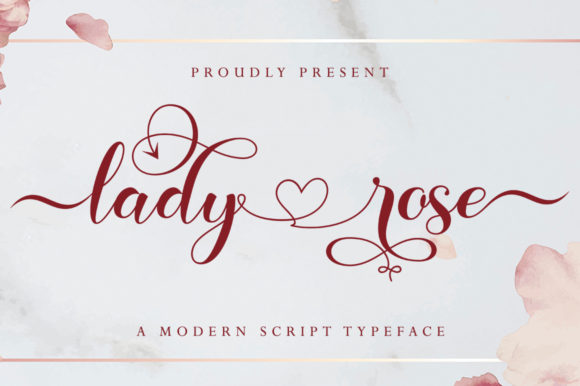
At its core, Lady Rose is a handwritten font that balances romantic flair with clear legibility. Its letterforms flow with a natural, slightly varying baseline that mimics genuine handwriting. You’ll notice delicate swashes and alternate characters that add a touch of sophistication without overwhelming the text. The overall feel is dreamy and feminine, yet it maintains a modern sensibility that keeps it from feeling dated. This isn’t a bold, attention-grabbing display font; it’s a refined creative font designed to communicate elegance, care, and authenticity.
The visual character of Lady Rose makes it an excellent companion for projects where emotion is key. Its soft curves and gentle connections evoke feelings of celebration, gratitude, and romance. This makes it a natural fit for the wedding industry, but its appeal extends far beyond invitations. Think of a boutique bakery’s logo, a heartfelt quote on a home décor piece, or the branding for a artisanal skincare line. Lady Rose helps these brands tell a story of craftsmanship and personal attention.
Where Lady Rose Truly Shines: Practical Applications
Knowing where to deploy a font is just as important as selecting it. Lady Rose excels in applications where its personality can enhance, rather than hinder, the message. Here’s a practical look at its best uses:
- Wedding and Event Stationery: This is its most natural habitat. From save-the-dates and invitations to menus, programs, and thank you cards, Lady Rose sets a romantic and cohesive tone. Its ability to connect letters gracefully makes it perfect for names and headlines.
- Branding and Logo Design: For businesses that want to project an image of elegance, creativity, and a personal touch, Lady Rose can be a powerful component of a brand identity. It works beautifully for logos for florists, wedding planners, boutique shops, cafes, and lifestyle bloggers. Pair it with a clean sans serif font for body text to create a balanced and professional look.
- Editorial and Packaging Design: Use it for pull quotes in magazines, chapter headings in a book, or product names on elegant packaging. It adds a layer of visual interest and personality that draws the reader’s eye. In packaging design, it can communicate the handmade or premium quality of a product.
- Digital and Social Media Graphics: On platforms like Instagram and Pinterest, where visual appeal is paramount, Lady Rose can make quotes, announcements, and promotional graphics stand out. It’s perfect for creating cohesive, branded templates for stories, posts, and blog headers. Just ensure the background is clean enough to let the script font remain readable.
- Crafting and Personal Projects: For hobbyists and crafters, this font is a gem. It’s ideal for custom greeting cards, scrapbooking, vinyl decals, and personalized gifts. The included swashes and alternates allow for unique customization in projects made with cutting machines or design software.
The Strategic Side: Pairing, Readability, and Licensing
Using a premium font like Lady Rose effectively requires some strategic thinking. Its decorative nature means it’s rarely the best choice for long paragraphs of body copy. That’s where understanding font pairing comes in.
The most reliable approach is to combine Lady Rose with a highly legible, neutral typeface. A simple serif font like Garamond or a modern sans serif font like Montserrat or Lato creates a beautiful contrast. Use Lady Rose for headings, titles, or key phrases, and the simpler font for supporting information. This establishes a clear visual hierarchy, guiding the viewer’s attention and ensuring your message is both beautiful and easy to digest. Always test your pairings at the actual size they’ll be viewed—what looks good on a large computer screen may become illegible on a small mobile device or a printed business card.
Another key feature is its PUA encoding. This technical detail is a practical boon for designers. It means all the extra glyphs, stylistic alternates, and swashes are easily accessible in any standard design software, without needing specialized OpenType features. This allows for quick customization to make your text truly unique.
Finally, consider the context of use. If you’re designing for a commercial client, ensure you have the correct license for the project. Most commercial fonts like Lady Rose come with clear licensing terms. For personal projects, you’re typically covered, but always double-check the license when creating items for sale, like printed merchandise or digital templates.
In the end, Lady Rose is more than just a pretty typeface. It’s a versatile design asset that, when used thoughtfully, can elevate a project from ordinary to memorable. It bridges the gap between the desire for a personal, handmade aesthetic and the need for professional, polished results. By focusing on its strengths in pairing, context, and application, you can harness its romantic charm to create designs that truly connect with your audience.