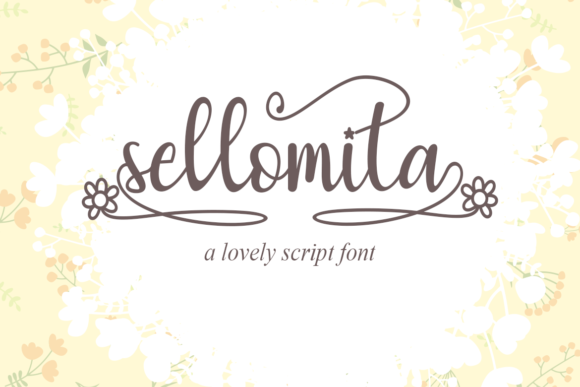
Sellomita: A Handwritten Touch for Modern Designs
In the crowded landscape of digital typography, finding a font that feels both personal and polished can be a challenge. Many handwritten fonts lean too casual, sacrificing professionalism for whimsy. Others feel stiff, losing the organic charm that makes script typefaces so appealing. Sellomita strikes a rare balance. It is a premium font that feels equally charming and elegant, offering a sophisticated handwritten style without sacrificing legibility or versatility. This typeface is designed for creators who want their work to feel approachable yet refined, making it a valuable asset in any designer's toolkit.
The visual personality of Sellomita is defined by its smooth, flowing lines and a slightly varied baseline that mimics the natural rhythm of hand-lettering. It doesn't feel like a rigid digital construct; instead, it carries the subtle imperfections and fluidity of authentic penmanship. The font features gorgeous glyphs and stunning alternates, allowing for a high degree of customization. This means you can adjust letterforms to create unique combinations, ensuring your text never looks generic. The overall aesthetic is modern yet timeless, avoiding trendy extremes in favor of a style that will remain relevant for years.
Where Sellomita Shines: Practical Applications
Understanding where a font like Sellomita excels is key to using it effectively. Its strength lies in projects that require a human touch combined with clear communication. This makes it exceptionally versatile across numerous fields, from digital marketing to physical product design.
For brand identity and logo design, Sellomita offers a distinct advantage. A logo needs to be memorable and convey a brand's personality at a glance. Using Sellomita in a logo can instantly communicate warmth, creativity, and authenticity. It works beautifully for boutique businesses, lifestyle brands, artisanal products, and creative agencies. Paired with a clean sans serif font for body text, it creates a powerful visual hierarchy that guides the viewer's eye and reinforces brand messaging.
In the realm of editorial design and publishing, this typeface finds a natural home. Think of wedding invitations, event programs, or the chapter headings in a cookbook. Sellomita adds a layer of elegance and personalization that standard fonts cannot. It’s equally effective for greeting cards, thank you notes, and inspirational quotes, where the emotional connection is paramount. The font’s legibility at various sizes ensures it remains readable even in smaller text blocks on printed materials.
Digital applications are where Sellomita truly demonstrates its flexibility. For social media graphics, it can make a feed feel cohesive and stylish. Use it for Instagram quotes, story templates, or promotional banners to stand out in a fast-scrolling environment. In web design, it can be used strategically for headers, call-to-action buttons, or featured text to draw attention and break the monotony of standard web fonts. Its smooth rendering ensures it looks sharp on screens of all resolutions.
Integrating Sellomita into Your Workflow
Adopting a new creative font into your projects requires more than just liking its look. It involves practical considerations to ensure it enhances, rather than hinders, your work. Here’s how to approach using Sellomita effectively.
First, consider font pairing. The most successful designs often use a combination of typefaces to create contrast and structure. Sellomita, as a script font, pairs exceptionally well with strong, geometric sans serif fonts like Montserrat or Lato. For a more classic feel, try it with a traditional serif font like Garamond. The key is to let Sellomita be the star for headlines or accents, while a more neutral font handles the bulk of the body copy. This maintains readability and establishes a clear visual hierarchy.
Next, evaluate its fit for your specific project. Ask yourself: does the tone of this font match the message I want to send? Sellomita’s elegant charm is perfect for a luxury skincare brand or a high-end bakery, but it might feel out of place on a corporate financial report. Always test the font in context. Mock up a business card, a social media post, or a website header to see how it interacts with your other design elements, colors, and imagery.
One of Sellomita’s most powerful features is its extensive set of alternates and swashes, thanks to its PUA encoding. This allows you to access all glyphs easily in most design software. Don’t overlook this. Experiment with different letter combinations to customize the text for logos or special headlines. This level of detail can elevate a good design to a great one, giving it a truly bespoke feel.
Finally, for any commercial project, verify the licensing. Sellomita is a commercial font, meaning you need the appropriate license for client work, products for sale, or professional branding. Ensure you understand the terms to use it legally and ethically. This protects both you as the creator and the integrity of the font’s design.
In a world saturated with generic visuals, choosing the right typeface is a strategic decision. Sellomita is more than just a handwritten font; it’s a design asset that brings personality and professionalism together. By understanding its strengths and applying it thoughtfully, you can create work that resonates deeply with your audience and stands the test of time. Whether you’re designing a brand identity, crafting packaging design, or building a social media presence, it offers a tool to express authenticity with style.