Amazing Things: A Playful Handwritten Font for Modern Creators
Finding a font that feels both personal and professional can be a real challenge. You want something with character, a typeface that doesn't look sterile or overly corporate, but you also need it to be legible and versatile. This is where a well-crafted handwritten font like Amazing Things enters the picture. It’s not just a collection of letters; it’s a design asset with a distinct personality, designed to inject warmth and authenticity into your projects. For designers, entrepreneurs, and creators who work across different mediums, having a reliable and expressive font in your toolkit is essential. Amazing Things positions itself as a go-to option, blending a casual, human touch with the clarity needed for effective communication.
The Anatomy of a Playful Typeface
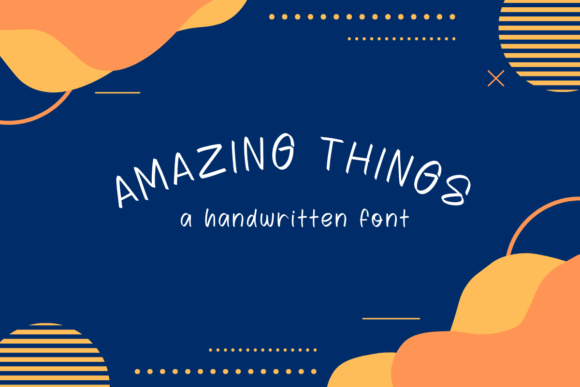
At its core, Amazing Things is a script font that mimics the natural flow of a hand-lettered inscription. Its visual characteristics are defined by smooth, connected strokes that give it a cohesive and fluid appearance. Unlike some highly stylized scripts that can be difficult to read, Amazing Things maintains a careful balance. The letterforms are clear, with consistent spacing and a moderate slant that suggests movement without sacrificing stability. The overall appeal is friendly, approachable, and slightly whimsical. It avoids the overly formal look of traditional calligraphy and the chaotic energy of grunge fonts, landing in a sweet spot that feels contemporary and versatile. This makes it a valuable creative font for projects that need to feel human-centered and engaging.
Where This Font Truly Shines
The real test of any premium font is how it performs in practical applications. Amazing Things is particularly effective in contexts where personality and readability are both priorities. In brand identity work, it can be a powerful tool for businesses that want to project a friendly, artisanal, or boutique image. Think of a local bakery's logo, a handmade cosmetics brand's packaging, or a wellness coach's visual materials. The font adds a layer of authenticity that a standard sans serif font might lack.
Beyond logos, its strength extends to marketing and content creation. For social media graphics, Amazing Things can make quotes, announcements, and call-to-action text stand out in a crowded feed. Its playful nature grabs attention quickly, which is crucial for platform engagement. In editorial design, it works wonderfully for pull quotes, article headlines in lifestyle magazines, or chapter titles in a cookbook, providing a visual break from body text set in a neutral serif font. For packaging design, especially for products targeting a consumer market, it can communicate handmade quality and care. Even in digital spaces like web design, it can be used selectively for hero text or promotional banners to create a memorable first impression, provided the background is clean and the contrast is high.
Practical Guidance for Using Amazing Things
Integrating any new design asset into your workflow requires a bit of strategy. Here’s how to approach Amazing Things to get the most out of it.
Evaluating Project Fit: Before you start, ask yourself about the project's tone. Is the goal to be warm, inviting, and personal? If yes, Amazing Things is a strong candidate. If the project demands extreme formality or a minimalist, tech-forward aesthetic, you might pair it sparingly or choose a different typeface altogether. It’s a display font at heart, meaning it’s built for impact in headlines and short phrases, not for setting long paragraphs of body copy.
Mastering Font Pairing: This is where Amazing Things can truly elevate your work. The key to successful font pairing is contrast and harmony. Since Amazing Things is a handwritten font, it pairs beautifully with clean, simple typefaces. A geometric sans serif font like Montserrat or Poppins for subheadings and body text creates a modern, balanced look. For a more classic or elegant feel, combine it with a readable serif font such as Lora or Merriweather. The script adds flair, while the companion font ensures the overall design remains grounded and professional. Always test your pairings in context to see how the weights and sizes interact.
Readability and Application: Always prioritize your audience's ability to read the text. Use Amazing Things at a size where its character is clear. It’s perfect for a blog post title, a product label headline, or a wedding invitation header. Avoid using it for fine print, legal disclaimers, or lengthy descriptions. When placing it over images, ensure there is sufficient contrast—a solid color overlay or a simple background pattern can help the letters pop.
Licensing and Commercial Use: For entrepreneurs and small business owners, understanding the licensing of a commercial font is non-negotiable. Amazing Things, like most professional fonts, comes with a license that outlines how you can use it. Typically, a standard license covers use in logos, websites, and printed materials for a single brand or business. If you plan to use it in a product for sale—like a template or a physical product with the font as a key design element—you may need an extended license. Always review the license agreement provided with your purchase to ensure compliance and avoid any issues down the line.
In the end, a font is more than just a tool; it's a voice for your message. Amazing Things offers a voice that is optimistic, creative, and deeply human. By understanding its strengths and applying it thoughtfully, you can leverage this modern typography choice to create designs that don't just look good, but also feel right. Whether you're crafting a logo design, designing a wedding suite, or building a brand's social media presence, it provides the flexibility and charm to make your work stand out. It’s a testament to how the right typeface can become a silent partner in your creative process, helping you connect with your audience on a more personal level.