Bonavista: A Handwritten Font for Elegant Branding
There's a particular challenge in modern typography: finding a typeface that feels both personal and polished. Many handwritten fonts lean too casual, sacrificing professionalism for a loose, scrawled aesthetic. Others become so formal they lose the human touch entirely. Bonavista exists in that rare, valuable space between. It’s an elegant and flowing handwritten font that carries the weight of classic calligraphy but wears it with a contemporary, accessible grace. This isn't just another script font; it's a versatile design asset built for creators who need their work to feel both sophisticated and approachable.
The Anatomy of Bonavista: More Than Just a Pretty Script
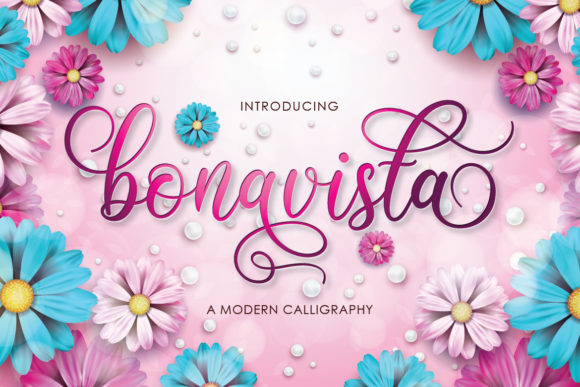
At its core, Bonavista is a premium font defined by its fluidity and thoughtful construction. Its varying baseline is key—this isn't a rigid, mechanically uniform script. The letters dance slightly, mimicking the natural rhythm of a skilled hand holding a brush or pen. This subtle movement gives it life and prevents it from looking sterile. The smooth lines and gorgeous glyphs ensure legibility even at smaller sizes, a common pitfall for many script fonts. But where Bonavista truly shines is in its alternates. Being PUA encoded means every swash, ligature, and stylistic variation is directly accessible in any standard design software. You can easily swap a simple ‘g’ for one with a dramatic flourish or connect letters in a more organic way, tailoring the text to fit the exact mood of your project.
This font maintains a classy calligraphic influence—you can see the roots in traditional penmanship—yet it feels entirely fresh. It avoids the overly ornate, overly decorated look that can date a design. Instead, it offers smooth lines that translate beautifully across mediums. It’s a creative font that doesn’t scream for attention but commands it through quiet confidence and impeccable style. For a designer, this means less time wrestling with a font's quirks and more time focusing on the overall visual hierarchy and message of the composition.
Where Bonavista Finds Its Voice: Practical Applications
Understanding a font's personality is one thing; knowing where to deploy it is another. Bonavista excels in projects where tone and emotion are paramount. It’s a natural fit for brand identity work, especially for businesses that want to convey luxury, warmth, and authenticity. Think of a boutique hotel, a high-end florist, a artisan bakery, or a bespoke jewelry maker. The font immediately sets a tone of care and quality.
In editorial design, such as magazine headlines or chapter openers, Bonavista can create stunning focal points. Paired with a clean sans serif font for body text, it establishes a powerful font pairing that balances flair with readability. For packaging design, its elegance can elevate a product on the shelf, making a simple label feel luxurious. The same principle applies to social media graphics and web design—a well-placed Bonavista headline can make a quote card, a promotional banner, or a homepage hero section feel personal and engaging.
It’s also a powerful tool for logo design. A logo set in Bonavista won’t just be a name; it will be a signature. This works particularly well for solopreneurs, consultants, and creatives whose personal brand is their business. The font does the heavy lifting of communicating style and professionalism before a single word of copy is read.
A Note on Readability and Hierarchy
While Bonavista is highly legible for a script font, it’s still a display font at heart. Its primary role is in headlines, logos, pull quotes, and short bursts of text. Using it for long paragraphs of body copy would be a misstep, as the eye needs the rest that simpler, more neutral typefaces provide. The key is to use it strategically to create a strong visual hierarchy. Let Bonavista announce the big idea, then let a sturdy serif font or sans serif font deliver the supporting details. This contrast not only looks professional but also guides the reader’s eye through your content in a logical, enjoyable way.
Making Bonavista Work for You: A Practical Guide
So, you’ve decided Bonavista might be the right fit. Here’s how to integrate it effectively into your workflow. First, always start with your project’s core message and audience. Is the goal to feel romantic? Confident? Nostalgic? Bonavista leans toward elegance and warmth, so if your brand is ultra-minimalist and stark, it might create a tonal clash. For a small business owner or blogger, this font can become a cornerstone of your visual identity, used consistently on your website headers, email newsletters, and printable materials to build brand recognition.
Next, explore the alternates. This is where the PUA encoding becomes your best friend. Don’t just type with the default characters. Open the glyphs panel in Adobe Illustrator, Photoshop, or even Canva Pro, and experiment. A swash on the tail of a ‘y’ or a different style of ‘e’ can completely change the vibe of a word. This level of customization is what separates a good design from a great one.
Finally, consider the licensing. Bonavista is a commercial font, meaning you need to ensure you have the proper license for your use case—whether it’s for a personal blog, client work, or products for sale. Reputable font foundries are clear about this, and respecting licensing supports the type designers who create these valuable modern typography tools.
In the end, Bonavista is more than a collection of beautiful letters. It’s a bridge between the timeless art of calligraphy and the dynamic needs of today’s digital and print landscapes. It offers a way to inject personality and professionalism into your work simultaneously, making it a worthy addition to any designer’s toolkit. Fall in love with its flow, and let it help you bring your projects to their highest level of expression.