Photoframe: A Handwritten Script Font for Authentic Branding
Finding a typeface that genuinely connects with an audience can feel like searching for a needle in a haystack. Many fonts promise personality but deliver either illegibility or a dated aesthetic. Photoframe strikes a different balance. As a handwritten script font, it offers the organic warmth of human touch without sacrificing the clarity required for professional applications. It is designed for those moments when you need words to feel personal, immediate, and slightly imperfect in the best possible way.
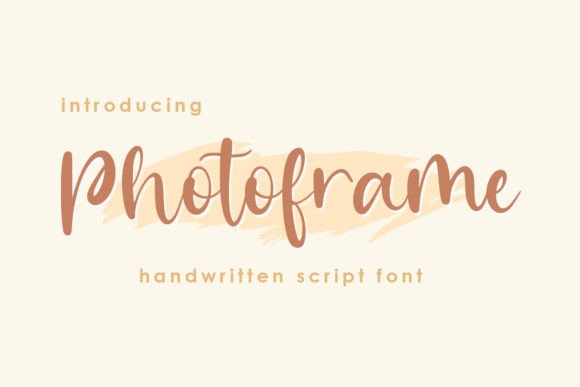
At its core, Photoframe is a premium font that captures the essence of casual elegance. The letterforms exhibit a natural flow, mimicking the slight inconsistencies of ink on paper. This script font avoids the overly formal look of copperplate calligraphy, leaning instead toward a modern, relaxed aesthetic. The strokes have a comfortable weight that anchors them to the page, making them versatile enough for both logo design and extended captions. Whether you are a small business owner crafting a product label or a content creator designing a social media post, the visual personality of this typeface communicates approachability.
Where Photoframe Shines: From Packaging to Social Media
The utility of a creative font lies in its adaptability. Photoframe is particularly effective in environments where emotional connection drives engagement. Consider packaging design; on a coffee bag or a candle box, this font suggests artisanal quality. It tells the customer that a real person is behind the product, which is a powerful tool for brand identity. It moves away from the cold, industrial feel of geometric sans-serifs, offering warmth that invites the consumer to pick up the product.
In the digital realm, the font proves equally capable. Social media graphics often suffer from visual clutter. Using Photoframe for headers or callouts can break through the noise. Its handwritten style stands out against the rigid grid layouts of Instagram or Pinterest. For bloggers and marketers, it serves as an excellent accent font for pull quotes or newsletter headers, adding a layer of visual interest that keeps readers scrolling. It is not a serif font meant for body text, but rather a display font designed to make an impact in short bursts.
- Product Packaging: Use it for labels on artisanal goods, boutique skincare, or gourmet foods to imply hand-crafted quality.
- Wedding Stationery: Its elegance makes it suitable for invitations, save-the-dates, and table numbers, offering a romantic but readable script.
- Editorial Design: In magazines or blogs, utilize it for drop caps or section headers to contrast with a clean sans serif font body.
- Logo Design: For lifestyle brands, cafés, or photography studios, it creates a distinct mark that feels personal and memorable.
Mastering Hierarchy and Readability
One of the challenges with any script font is maintaining legibility. Photoframe handles this by keeping the x-height relatively generous and ensuring distinct separation between characters. However, as with any handwritten font, context is key. This typeface is an accent tool. Using it for a 12-point body copy in a dense paragraph would be a mistake; the eye needs a rest, and the uniform structure of a standard sans serif font or serif font is better for long-form reading.
The real power of Photoframe lies in visual hierarchy. By pairing it with a neutral, geometric typeface, you create a dynamic contrast. The script draws the eye first, establishing the emotional tone, while the secondary font delivers the detailed information. This technique is a staple in modern typography and is essential for creating professional-looking design assets. For instance, a wedding invitation might use Photoframe for the couple's names and a classic serif for the venue details. This pairing ensures the most important information feels special without compromising the logistics.
Practical Application and Design Strategy
When integrating Photoframe into your workflow, consider the "voice" of your project. This font speaks with a casual confidence. It is perfect for a yoga studio's new class schedule or a publisher promoting a new fiction release. It is less suited for corporate financial reports or legal disclaimers where absolute clarity and formality are paramount. Understanding this fit is crucial for brand strategy.
For entrepreneurs and designers, testing is non-negotiable. Before committing to Photoframe for a large campaign, mock it up. See how it looks on a mobile screen versus a printed flyer. Check the spacing (kerning) between specific letter pairs in your headline. Does the "h" and "e" collide awkwardly? Does the tail of the "y" interfere with the next word? A quality commercial font like this usually includes OpenType features—ligatures or alternate characters—that can solve these spacing issues, giving you a more polished result.
Licensing is another practical consideration. If you are a hobbyist making a gift for a friend, a standard desktop license is usually sufficient. However, if you are a business owner embedding the font into a website or using it on merchandise for sale, you must ensure your license covers commercial use. Most reputable font marketplaces make this distinction clear. Treating typography as a professional asset means respecting the licensing terms, which protects both the creator and your business.
Ultimately, Photoframe is more than just a collection of glyphs; it is a communication tool. It bridges the gap between digital sterility and human warmth. By using it strategically—as a highlight rather than a workhorse—you can elevate your brand identity, enhance your web design, and create social media graphics that genuinely resonate. It reminds us that in a world of automation, a little bit of the human touch goes a long way. When you choose a font like this, you aren't just picking letters; you are choosing a voice for your visual story.