Callista: The Handwritten Touch That Elevates Every Design
More Than Just a Pretty Script
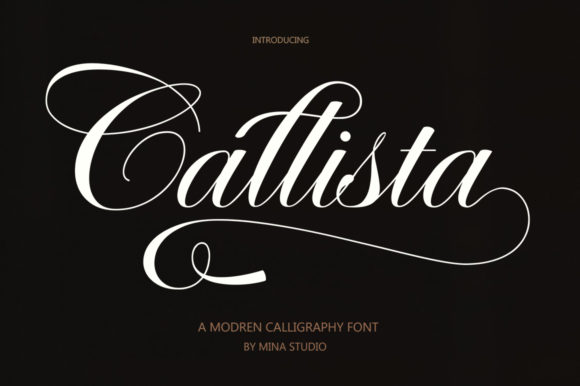
In a digital world saturated with clean lines and geometric precision, there's a growing hunger for designs that feel personal, authentic, and human. This is where a thoughtfully crafted handwritten font like Callista becomes an invaluable asset. It’s not merely a collection of letters; it’s a carefully orchestrated visual voice designed to convey warmth and sophistication. Callista strikes a rare balance—it feels equally charming and elegant, avoiding the overly casual look of some scripts while steering clear of stiff formality. Its character is defined by a varying baseline, mimicking the natural flow of hand-lettering, paired with smooth lines and gorgeous glyphs that give each word a unique rhythm.
As a premium font, its quality is evident in the details. The stunning alternates and swashes aren't just decorative afterthoughts; they are integral to its personality. They allow you to customize headlines, create monograms, or add a flourish that makes a piece feel truly bespoke. This isn't a one-note typeface. It’s a versatile creative font that can adapt its tone based on context—whispering elegance on a wedding suite or speaking with confident charm on a boutique logo.
Where Callista Truly Shines: Real-World Applications
Understanding a font's strengths is key to using it effectively. Callista excels in applications where a personal, artisanal, or luxurious touch is desired. Its design makes it a natural fit for the wedding and events industry, but its utility extends far beyond that.
- Brand Identity & Logo Design: For businesses that want to project a personal, boutique, or handcrafted aesthetic—think florists, bakeries, consultants, or artisanal product lines—Callista can form the core of a brand identity. It works beautifully as a logotype or paired with a clean sans serif font for a balanced and professional look.
- Marketing & Digital Presence: In web design and social media graphics, Callista can draw the eye and humanize a brand. Use it for hero section headings, call-to-action buttons, or inspirational quote graphics. Its presence makes digital content feel less corporate and more relatable, potentially boosting audience engagement.
- Print & Packaging Design: From boutique product labels and packaging design to thank-you cards and business stationery, Callista adds a tactile quality. On a physical item, it enhances the perceived value and care put into the product, reinforcing a positive brand perception.
- Editorial & Publishing: While not for body text, it’s a standout choice for editorial design. Use it for chapter titles in a book, pull quotes in a magazine, or the header of a newsletter to create a strong visual hierarchy and draw readers in.
A Note on Readability and Hierarchy
While Callista is a stunning display font, its ornamental nature means it’s not designed for long paragraphs. The very features that give it charm—the swashes and varying baseline—can reduce readability at small sizes or in dense blocks of text. Its role is to command attention in headlines, subheadings, and short phrases. For body copy, always pair it with a highly legible serif font or sans serif font. This pairing creates a clear hierarchy: Callista grabs attention, and the secondary font delivers the detailed information comfortably.
Practical Guide to Using Callista Effectively
Choosing the right font is only half the battle. Using it well is what separates good design from great design. Here’s how to get the most out of Callista.
- Evaluate the Project Fit: Before you start, ask if the project’s tone aligns with Callista’s personality. Is the goal to feel approachable, elegant, romantic, or artisanal? If the project demands a strictly corporate, technical, or minimalist vibe, a different typeface might be more appropriate.
- Master the Font Pairing: The most effective use of Callista is in partnership with a contrasting font. A classic pairing is Callista with a geometric sans serif like Montserrat or a clean serif like Lora. The contrast ensures both fonts stand out without competing, creating a harmonious and professional composition.
- Explore the Glyphs and Swashes: This is where the font’s magic lives. As a PUA encoded font, all of its stylistic alternates are easily accessible. Don’t just type and go. Highlight letters to see available swashes, or use the glyph panel in your design software to select alternate characters. This customization turns standard text into a piece of lettering art.
- Consider Licensing and Consistency: For any commercial project—logos, products for sale, client work—ensure you have the correct commercial font license. Using a font legally is a cornerstone of professional practice. Once you integrate Callista into a brand, use it consistently across all touchpoints to build recognition and strengthen the overall brand identity.
Ultimately, Callista is more than just another script font. It’s a versatile design asset that, when used thoughtfully, can infuse projects with personality and professionalism. It bridges the gap between the raw charm of hand-lettering and the refined needs of modern modern typography, making it a valuable tool for designers, entrepreneurs, and creators looking to make a genuine connection with their audience.