Milkhouse: The Sweet, Friendly Handwritten Font for Modern Designers
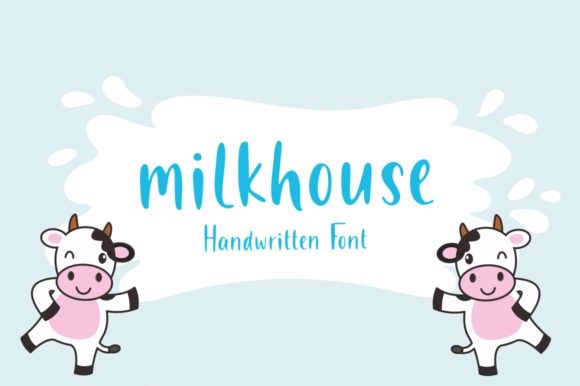
Finding a typeface that feels genuinely human can transform a good design into a memorable one. Milkhouse is a sweet and friendly handwritten font, and its natural, unique style makes it incredibly fitting for a huge pool of creative projects. It’s the kind of font that doesn’t just sit on a page; it communicates warmth, approachability, and a touch of handmade charm. In a digital world saturated with cold, geometric sans serifs, Milkhouse offers a breath of fresh air, connecting with audiences on a more personal level.
Understanding the Personality and Appeal of Milkhouse
At its core, Milkhouse is a display font with a distinct personality. It’s not a formal script, nor is it a chaotic scrawl. Instead, it strikes a perfect balance, mimicking the gentle, consistent flow of a felt-tip marker or a soft pencil. The letterforms have a pleasing, slightly rounded quality with subtle variations in stroke width that give it an authentic, hand-lettered feel. This isn’t a font that tries to be perfect; it embraces the beautiful imperfections of human touch.
The visual characteristics of Milkhouse make it a versatile creative font. Its x-height is generous, which aids in readability at smaller sizes for a handwritten style. The spacing between letters feels open and airy, preventing the text from looking cramped or overwhelming. This thoughtful design means it can be used for more than just a single word in a logo design. You can confidently set a short headline, a product name, or a heartfelt message in Milkhouse, and it will retain its legible, friendly charm.
Its overall appeal lies in its ability to evoke specific emotions. It feels nostalgic, like a note written by a friend, yet it’s clean enough for modern applications. This duality makes it a powerful tool for designers and creators who want to inject personality without sacrificing professionalism. It’s a premium font that delivers real value, moving beyond novelty to become a workhorse for specific, emotion-driven design needs.
Where Milkhouse Truly Shines: Practical Applications
The real strength of Milkhouse is its incredible range. It’s not a one-trick pony confined to a single niche. Its friendly demeanor makes it a natural fit for projects that need to connect with people.
Branding and Identity: For small businesses, especially those in artisanal food, boutique retail, handmade goods, or family services, Milkhouse can form the cornerstone of a brand identity. Imagine it on a logo for a local bakery, a coffee roaster, or a children’s boutique. It immediately communicates care, quality, and a personal touch. It works beautifully on business cards, packaging labels, and signage, creating a cohesive and approachable brand world.
Digital and Print Marketing: In web design, Milkhouse is perfect for hero section headlines, call-to-action buttons, or featured quotes that need to stand out. It draws the eye without being aggressive. For social media graphics, it’s a game-changer. Use it for Instagram story headers, Pinterest pin titles, or Facebook post quotes to make your content feel more personal and engaging. In print, it’s ideal for greeting cards, wedding invitations, and poster designs where a heartfelt message is key.
Packaging and Editorial Design: Packaging design is another area where Milkhouse excels. Think of the label on a jar of homemade jam, a craft beer bottle, or a scented candle. The font adds a layer of authenticity and story. In editorial design, it can be used sparingly for pull quotes, chapter titles in a cookbook, or headers in a lifestyle magazine to break up the monotony of standard body text and inject personality.
Making Milkhouse Work for Your Projects
Choosing the right typeface is about more than just liking how it looks in isolation. It’s about evaluating its fit for your specific project and audience. Here’s how to approach using Milkhouse effectively.
Evaluate the Project Fit: Before you start, ask yourself: does the project call for a human, approachable, and slightly whimsical tone? Milkhouse is perfect for a children’s book cover, a yoga studio’s branding, or a blog about home gardening. It would be less suitable for a corporate law firm’s annual report or a high-tech startup’s investor pitch deck. The context is everything.
Master the Art of Font Pairing: A font pairing is where Milkhouse can truly sing. Because it’s a handwritten font with a strong personality, it needs a stable, neutral partner. Pair it with a clean, simple sans serif font like Lato, Open Sans, or Montserrat for body text. This creates a beautiful contrast: Milkhouse provides the charm and headline impact, while the sans serif ensures readability for longer paragraphs. Avoid pairing it with other decorative or script fonts, which will create visual chaos.
Consider Readability and Hierarchy: Use Milkhouse strategically to build a clear visual hierarchy. It’s a display font, so it’s at its best for headlines, subheadings, and short bursts of text. Rely on a more traditional serif or sans serif for body copy. Test it at the size you intend to use. While it’s quite legible for a handwritten style, very small sizes on low-resolution screens can still pose a challenge. Always conduct a quick readability test.
Review the Included Styles and Licensing: A good premium font often comes with more than one style. Check if Milkhouse includes alternate characters, ligatures, or additional weights. These extras can add depth and variety to your designs. Crucially, understand the commercial font license. Ensure it covers your intended use—whether for a client project, merchandise for sale, or a website. Respecting the license is a fundamental part of being a professional creator.
Milkhouse is more than just a collection of letters; it’s a design asset that carries a feeling. By understanding its personality, knowing where it works best, and applying it thoughtfully with complementary fonts and clear hierarchy, you can leverage its sweet, friendly nature to create designs that truly resonate. It’s a testament to how the right modern typography choice can elevate a message from simply being read to being felt.